Effective Water Filtration: Ensuring Clean And Pure Drinking Water
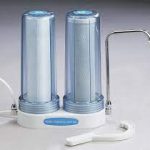
Water is an essential resource for all living beings, and it’s crucial that the water we consume is clean and safe. However, with increasing pollution levels and contaminants in our environment, ensuring the quality of our drinking water has become a major concern. This is where water filtration plays a vital role. By removing impurities and harmful substances, water filtration systems help provide us with clean, clear, and pure drinking water. In this article, we will explore the importance of water filtration, its various types, and how it benefits not only our health but also the environment.
Water filtration involves the process of removing undesirable particles, chemicals, and microorganisms from water to make it suitable for consumption or specific industrial applications. It aims to reduce contaminants, such as bacteria, viruses, heavy metals, pesticides, and sediment, that can be present in water sources. Filtration helps improve the taste, odor, and overall quality of water, enhancing its safety for both drinking and other purposes. As we delve deeper into the topic, we will also discuss the different methods of water filtration, including activated carbon filters, reverse osmosis systems, UV disinfection, and distillation. Understanding these techniques will enable us to choose the most appropriate filtration method based on our specific needs and circumstances, ensuring the highest level of protection for ourselves and the environment.
Understanding Water Contaminants
Water is an essential resource for human survival, but it is not always pure. There are various contaminants that can be present in drinking water, which can pose health risks. Understanding these contaminants is important to ensure the safety of our drinking water.
Contaminants can enter the water supply from various sources, including industrial waste, agricultural runoff, and even naturally occurring substances. Some of the common water contaminants include bacteria, viruses, parasites, heavy metals, organic chemicals, and pesticides. These contaminants can cause a range of health issues, from gastrointestinal problems to long-term damage to organs.
Credihealth.com explains the need for water filtration in detail. Water filtration systems are designed to remove or reduce contaminants from drinking water, ensuring its safety. There are various types of filtration systems available, including activated carbon filters, reverse osmosis systems, and UV sterilizers.
In conclusion, water filtration is a critical process that helps ensure the quality and safety of our drinking water. With the increasing pollution levels and contaminants in our environment, it has become necessary to remove unwanted particles, chemicals, and microorganisms from water sources. By employing various filtration techniques, such as activated carbon filters, reverse osmosis systems, UV disinfection, and distillation, we can effectively eliminate harmful substances and improve the taste, odor, and overall quality of water. This not only benefits our health but also contributes to the preservation of the environment. Understanding the contaminants present in our water and choosing the appropriate filtration method based on our specific needs and circumstances is essential for ensuring the highest level of protection for ourselves and our surroundings.